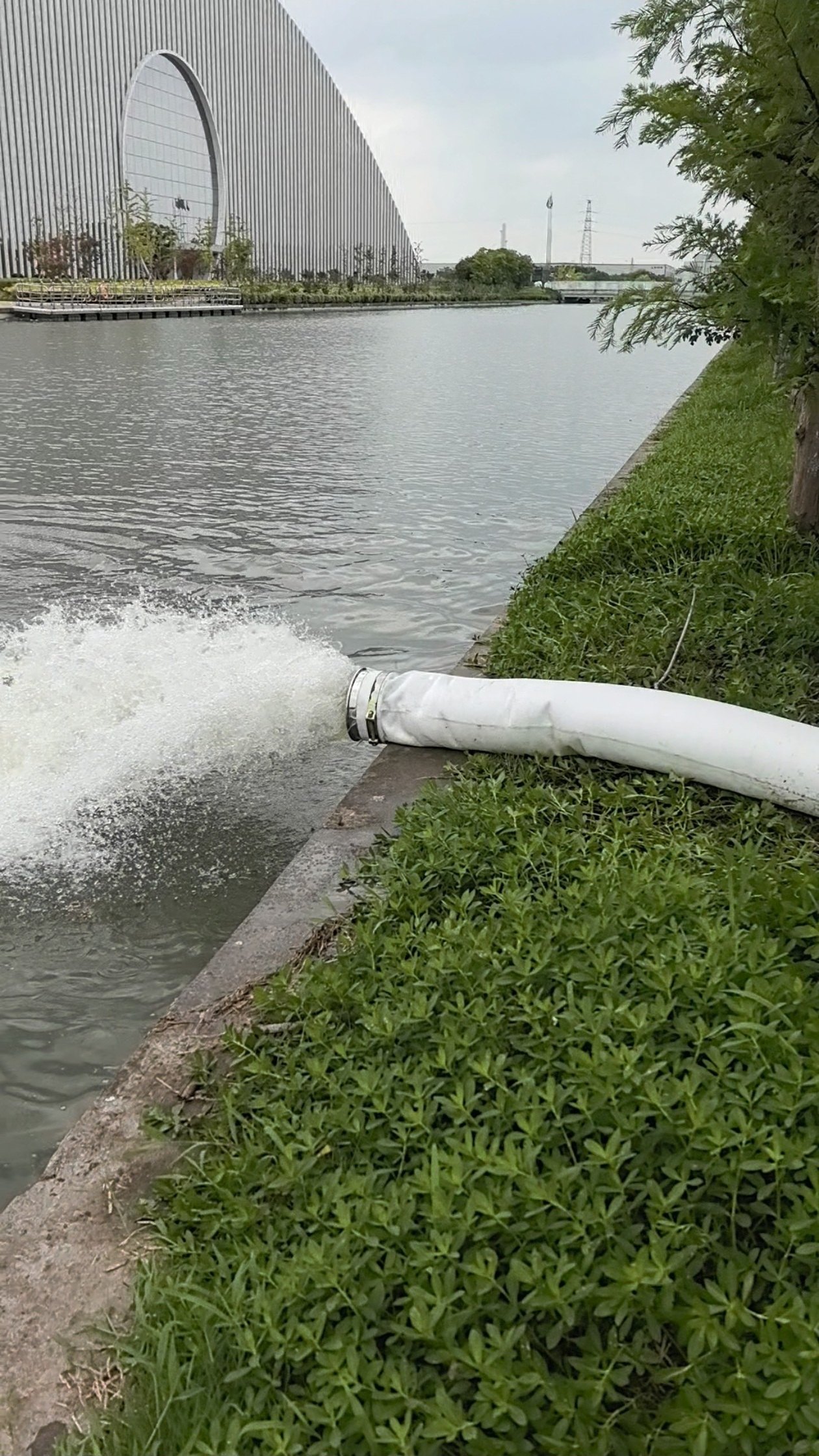
Storm drain & rainwater pit dewatering
The water that stays after the rain stops — sitting in storm drains, manholes and rainwater pits. Clearing it is a different job from fighting a flood: the access is tight, the level runs low, and the discharge has to go somewhere legal.
Small opening, shallow water, long hose.
Confined access
A manhole cover is roughly 600 mm across. The pump has to pass through that opening with its cable, hose connection and a strainer — and still handle whatever is sitting in the pit.
Low water level
Pits drain down to a shallow residual. High-head, low-suction designs keep pulling as the level falls instead of stalling and needing a re-prime.
Discharge route
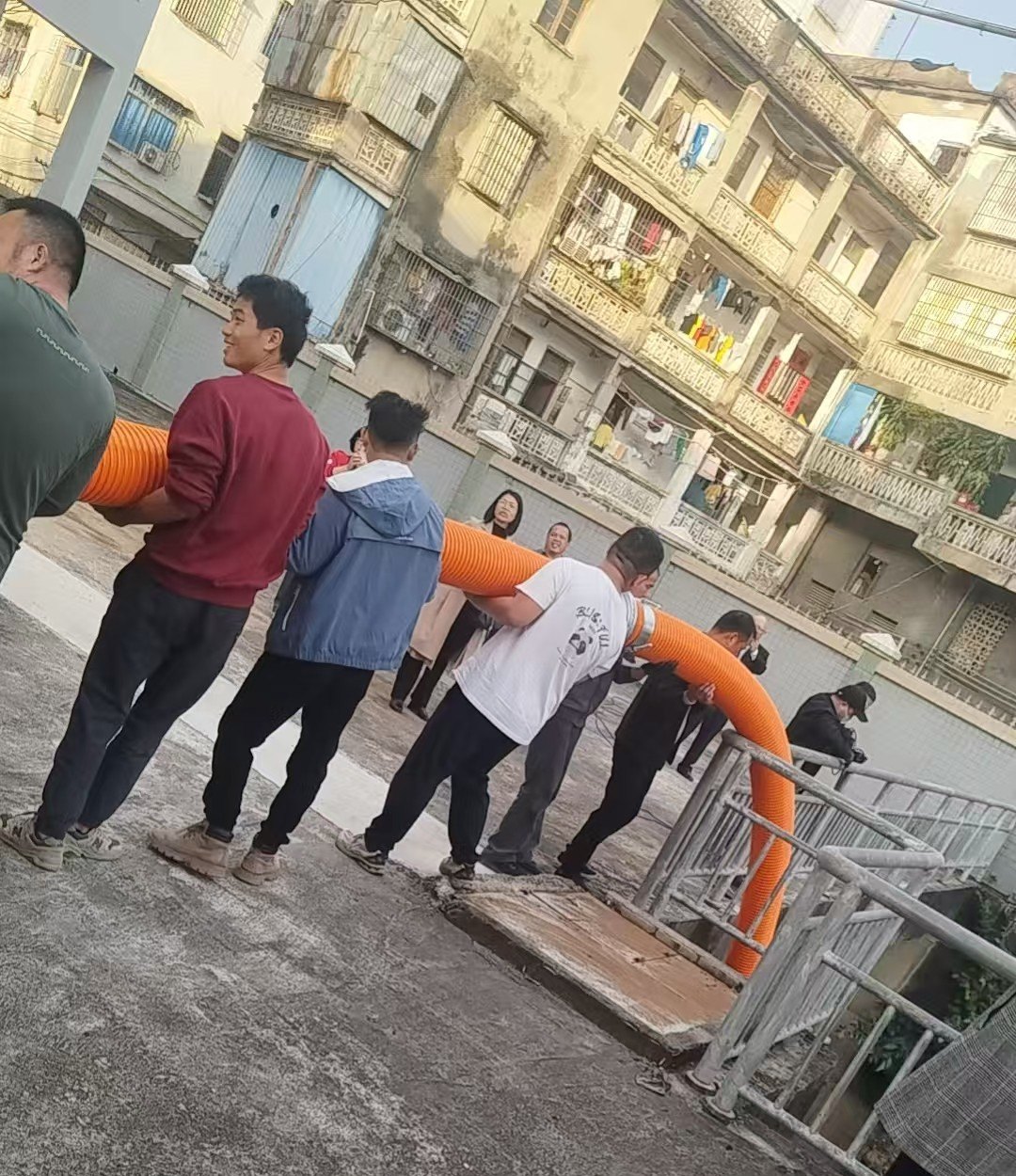
The water has to reach an outfall, a river or a tank — often over a long hose run. Losing head over distance is what turns a two-hour job into five.
Pit to outfall, in sequence.
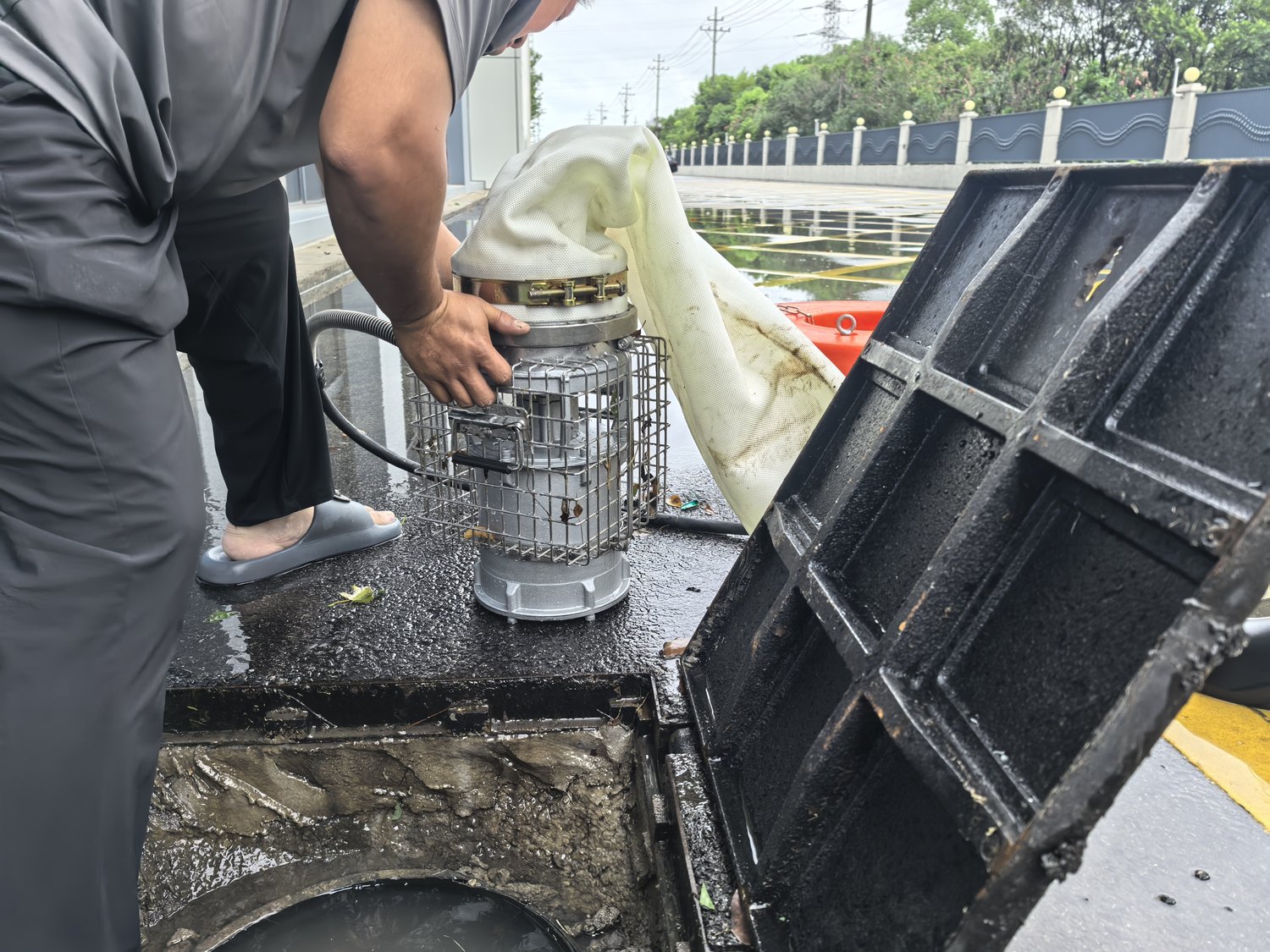
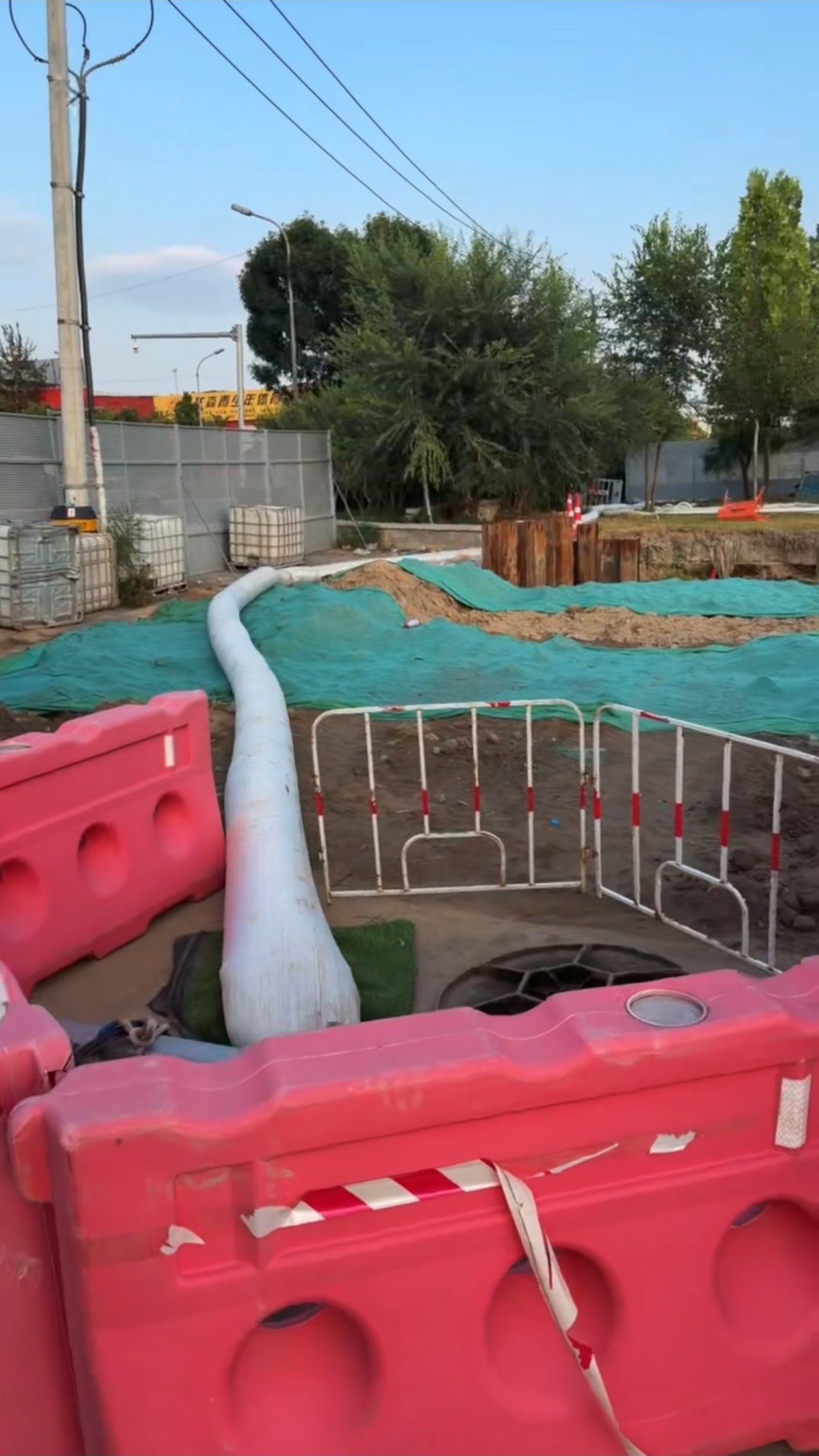
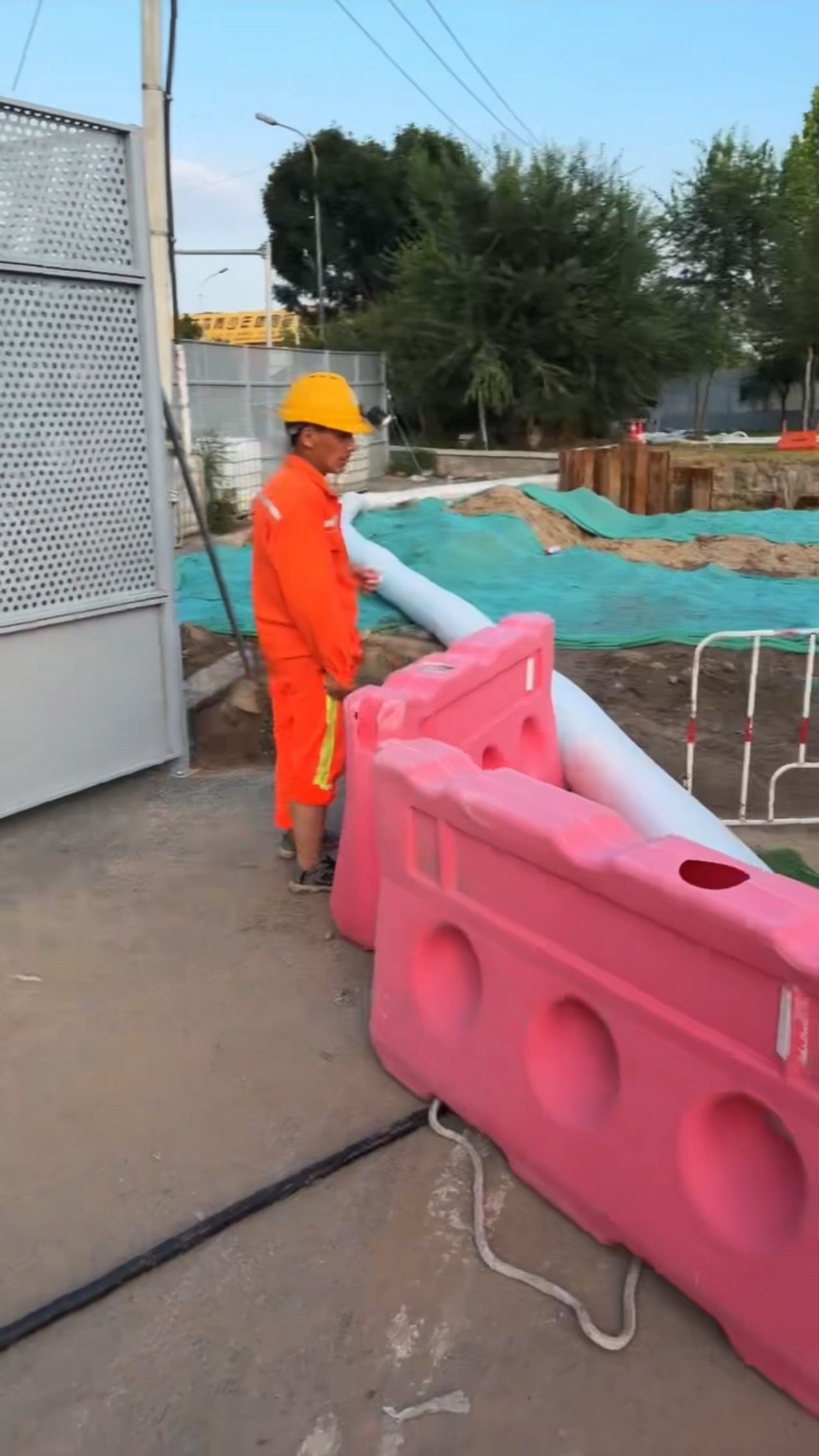
Built for a 600 mm opening.
Storm Drain Submersible Pump
Purpose-designed for rainwater pits and storm drain sumps, where the water level drops to a shallow residual.
- High head, low suction design
- Keeps pulling as the level falls
- Strainer cage for pit debris
Portable PM Submersible
Complete set with VFD cabinet, float switch and discharge hose. Carried by two people, in the pit in minutes.
- Permanent-magnet motor, VFD control
- Passes a standard manhole
- Float switch for unattended running
Municipal Pipeline Drainage Pump
For main-line dewatering on municipal pipe networks — 1,000 m³/h at 15 m head when the run is large.
- 1,000 m³/h, 15 m head
- Municipal network duty
- Permanent-magnet VFD drive
SP Non-Clog Self-Priming
For pits carrying silt, leaves and debris. Non-clog impeller passes what actually arrives at the inlet.
- Non-clog impeller
- Self-priming, no foot valve
- Sewage and stormwater duty